The Gibson Girl is the first incarnation of the New Woman. She was the first woman to seek freedom of expression and mobility. Hers was a soft but very important revolution.
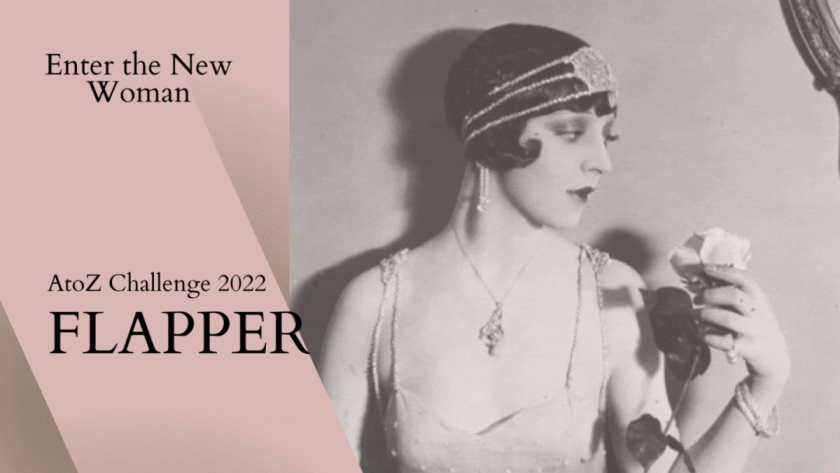
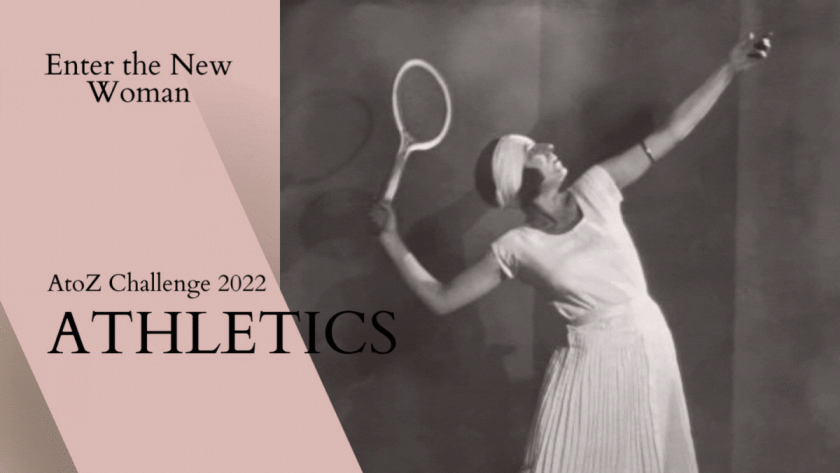
The flapper was the last and more mature incarnation of the New Woman. She was a free, ambitious, pleasure-seeking woman who wanted to be equal to men.
The ensemble separate was the distinctive fashion of the Gibson Girl. It was the first fashion that simplified the accepted women’s clothes and made them lighter and more comfortable.
Bobbed hair had been around even before the flapper, but it was only in the 1920s that, in spite of criticism, became more or less acceptable for a woman.
Anne has an abiding interest in history, folklore, sociology and nature. And is passionate about animal welfare and care of the earth. She is the author of When Silence Hurts and Reapers of Justice.
The Crossing by Ashby Jones – A coming-of-age story set in Prohibition Era New York. A deep dive into the soul of a young man with a lot of past on his shoulders.